
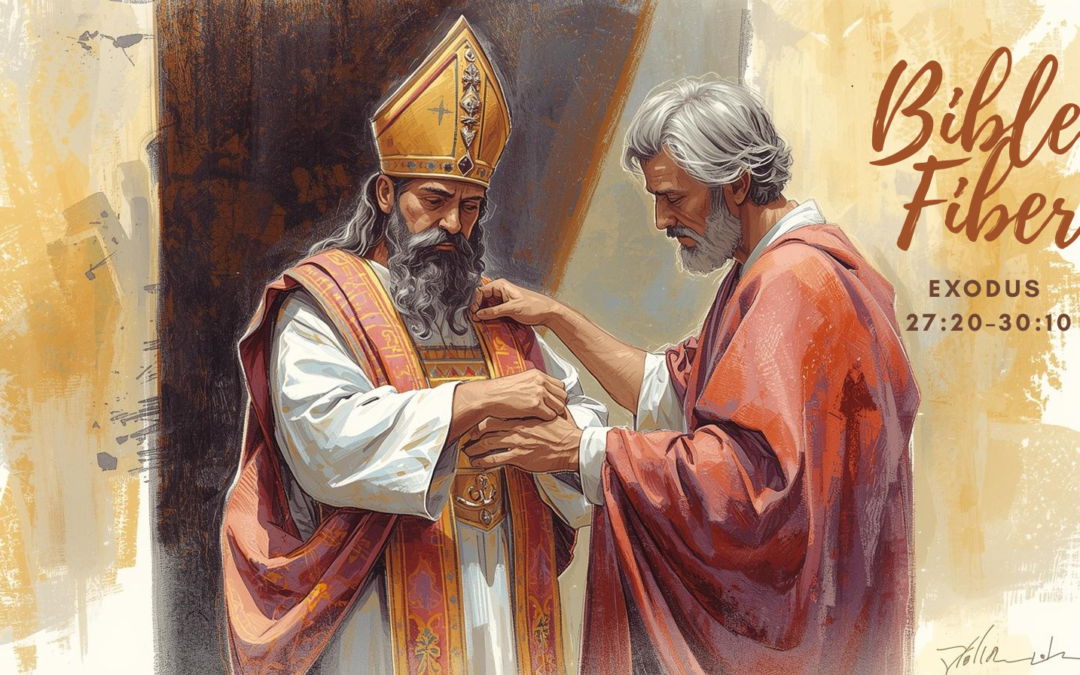
Tetzaveh: Exodus 27:20-30:10
This week, we explore the Torah portion called Tetzaveh, which translates to “you command.” This section covers Exodus 27:20-30:10. Much of the reading is about the priesthood, one of the most critical institutions in Israel’s spiritual architecture. Tetzaveh covers...
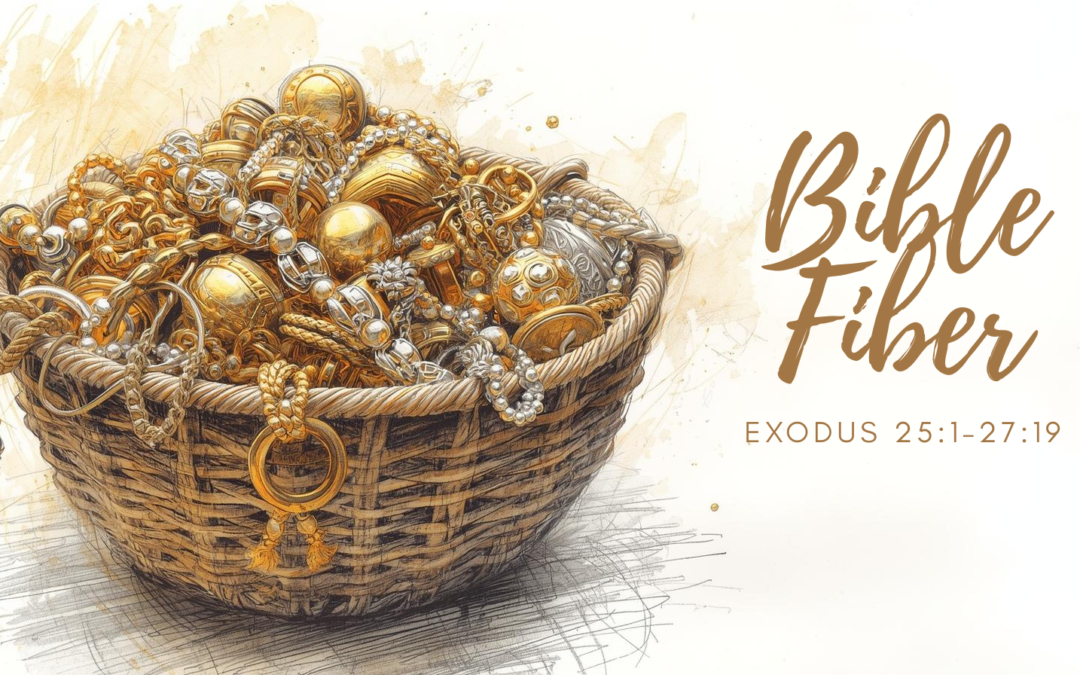
Terumah (Exodus 25:1–27:19)
This week we enter the nineteenth weekly Torah portion, Terumah (Exodus 25:1–27:19), which in Hebrew means “offering.” At this point in the Exodus story, the Israelites have just witnessed the dramatic crossing of the Red Sea and stood at the base of Mount Sinai to...
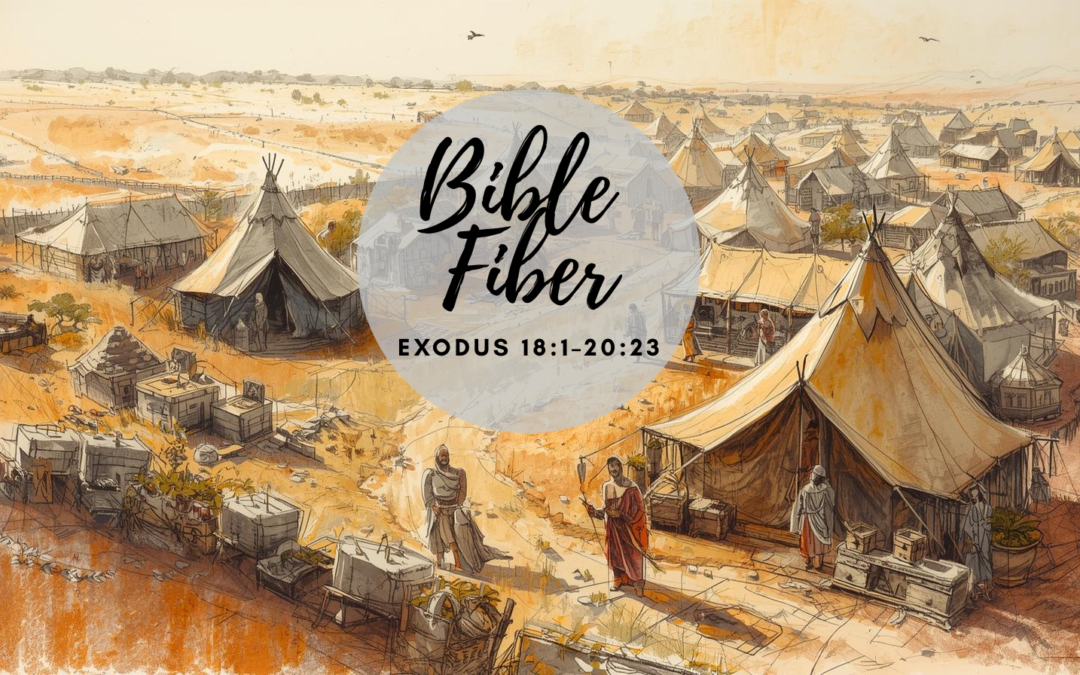
Yitro (Exodus 18:1–20:23)
This week’s Torah portion covers Exodus 18:1–20:23. As you have already noticed by now, each of the 54 weekly Torah readings get their own title. The titles usually derive from the first meaningful word or words in the text. Mostly, the titles translate to unrevealing...
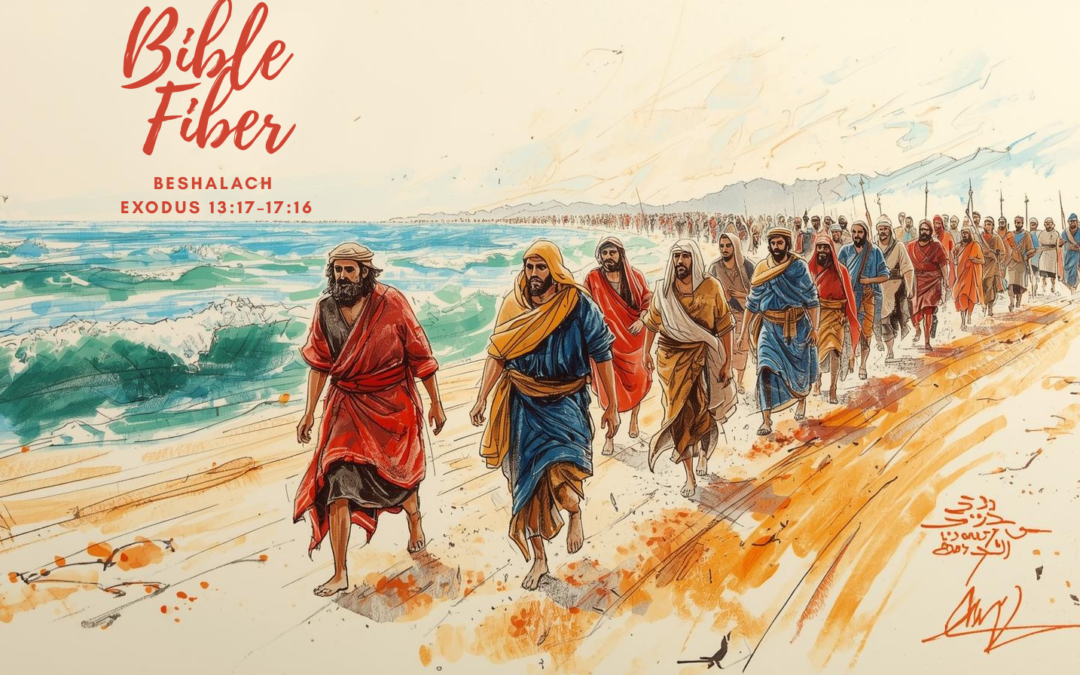
Beshalach (Exodus 13:17–17:16)
This week’s portion is Beshalach (Exodus 13:17–17:16), which translates to “when he sent.” The name comes from the opening verse: “When Pharaoh let the people go...” (13:17). After ten rounds of increasingly destructive plagues, Pharaoh finally agreed to release the...
Bo (Exodus 10:1–13:16)
This week’s Torah portion, Bo, covers Exodus 10:1 to 13:16. The narrative intensity hits its peak here. The last three of the ten plagues descend on Egypt: locusts devour the crops, impenetrable darkness shrouds the land, and finally, the firstborns of every Egyptian...
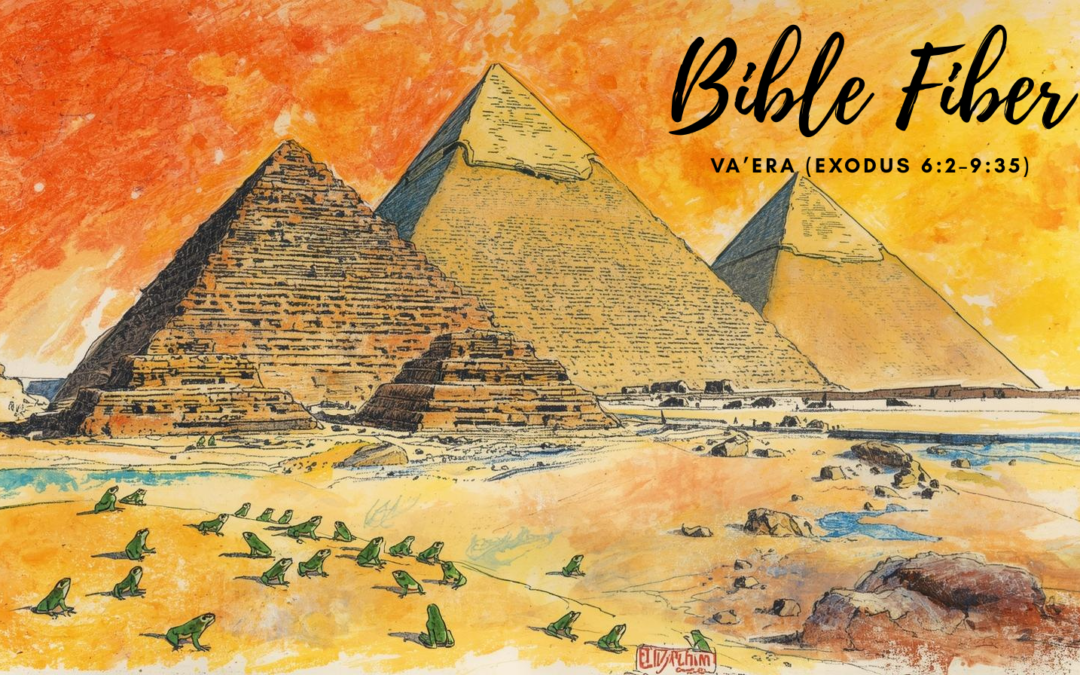
Va’era (Exodus 6:2–9:35)
This week’s Torah portion covers Exodus 6:2-9:35. It is called Va’era, which means “and I appeared,” the first words spoken to Moses in the text. In Va’era, the story of the Exodus begins. Plagues hit the Egyptians in full force. Pharaoh knew the names of many false...
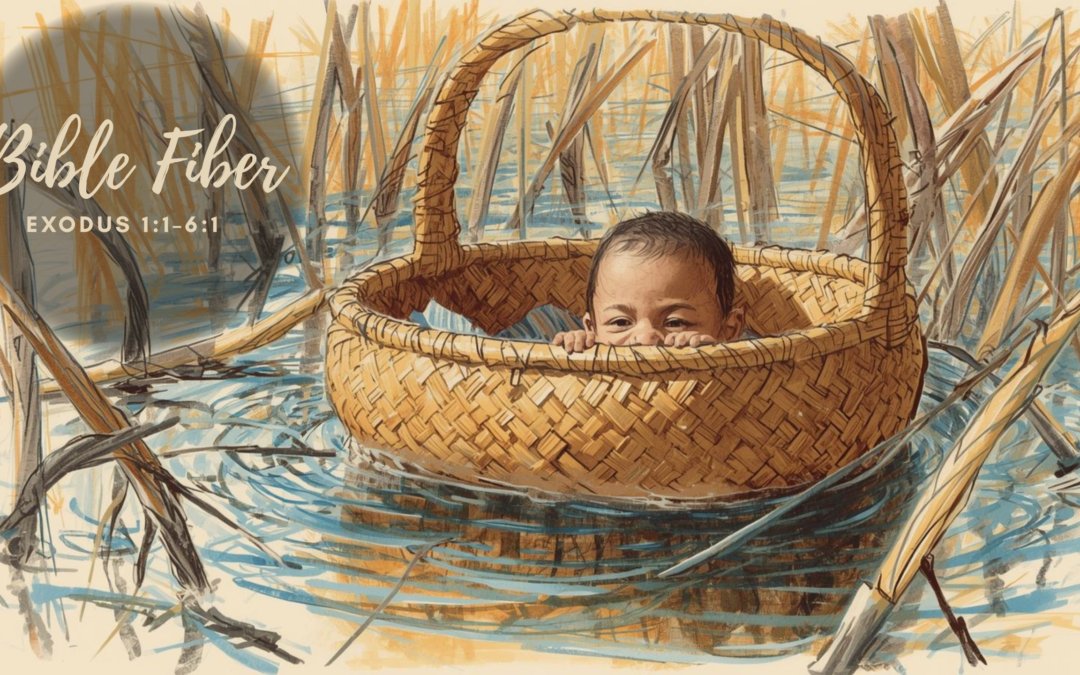
Shemot (Exodus 1:1–6:1)
This week’s Torah portion is called Shemot (Exodus 1:1–6:1) which in Hebrew means “names." Genesis closed with the descendants of Jacob living in the land of Egypt, waiting out the period of famine that had overtaken the region. What started as a temporary move turned...

Vayechi (Genesis 47:28–50:26)
This week’s Torah portion Vayechi covers Genesis 47:28–50:26. These are the last chapters of Genesis and the final moments of the era of the patriarchs. It is a biblical pivot point. While Genesis covered the personal lives and divine encounters of Abraham, Isaac, and...
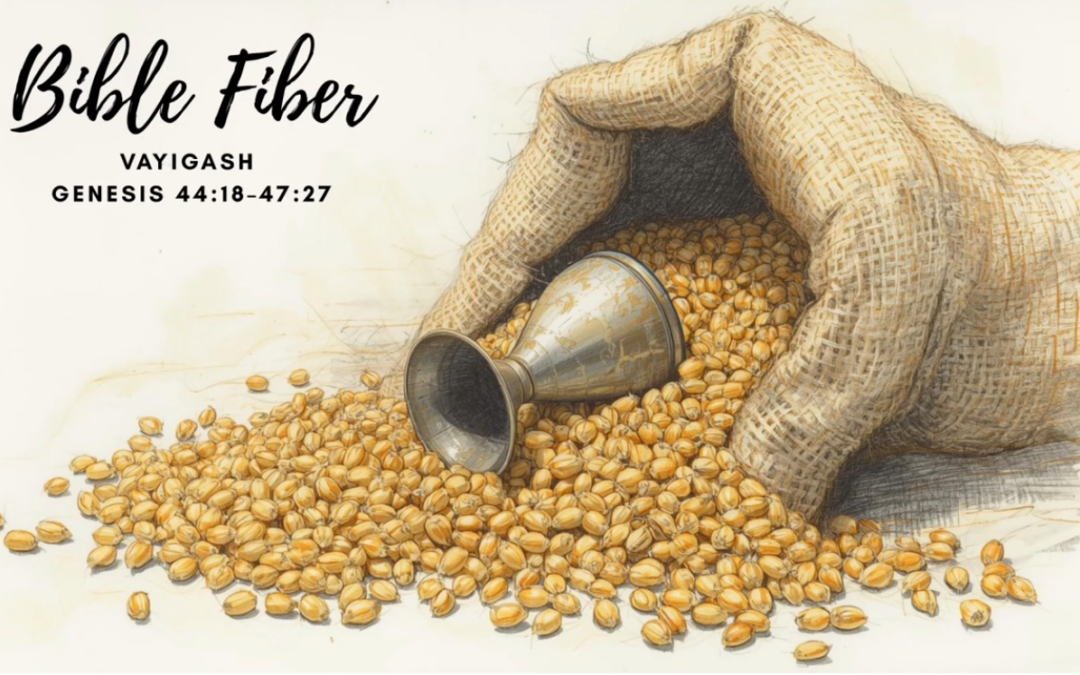
Vayigash (Genesis 44:18-47:27)
As we follow the Jewish reading calendar, we arrive at this week’s Torah portion, called Vayigash (Genesis 44:18–47:27) which means “and he drew near.” It is the climax of the Joseph cycle, when he reveals himself to his brothers, who assumed he was long dead. For...

Miketz (Genesis 41:1–44:17)
The Hebrew title of this week’s Torah portion is Miketz, which translates to “at the end,” and it covers Genesis 41:1 to 44:17. After two years, Joseph’s long season of suffering is almost over. This portion chronicles his meteoric rise from prisoner to the Pharaoh’s...